
 en
en  tr
tr ar
arGynecological Oncology
Gynecologic oncology is the medical field concerned with the diagnosis, treatment, and regular follow-up of cancers of the female reproductive system. In this context, the specialty addresses malignancies such as ovarian, endometrial, cervical, vulvar, and vaginal cancers.
These diseases are often asymptomatic in the early stages, but over time they may present with non-specific symptoms such as pelvic pain, abnormal vaginal bleeding, and weight loss. Treatment methods vary according to the type and stage of the tumor and the patient’s overall health condition.
Book an Appointment at Aritmi Osmangazi
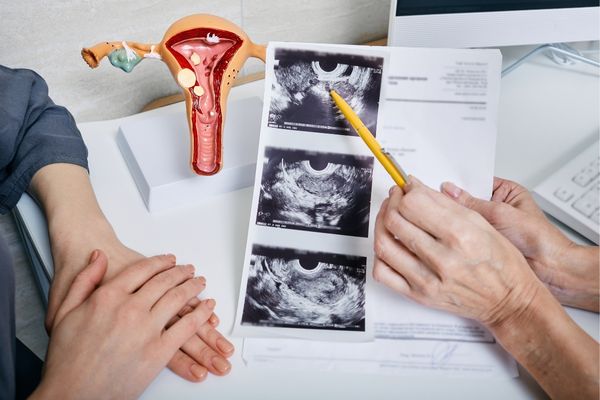
The question “What is gynecologic oncology?” can be answered as follows: it is a medical specialty that deals with malignant diseases of organs such as the ovaries, uterus, vulva, and vagina. In this context, gynecologic oncologists are physicians specialized in the early diagnosis, surgical and medical treatment, and long-term follow-up of these cancer types.
Adopting a multidisciplinary approach, this specialty works in cooperation with disciplines such as medical oncology, pathology, and radiology. The diseases within the field of gynecologic oncology include:
Early diagnosis, accurate treatment planning, and a multidisciplinary perspective are among the most important factors that improve survival in these diseases. In recent years, important advances have also been achieved in gynecologic oncology thanks to innovative approaches such as targeted therapies and immunotherapy.
Although gynecologic cancers are often asymptomatic in the early stages, organ-specific symptoms may appear as the disease progresses. The following sections describe the disorders within the field of gynecologic oncology and their symptoms:
This disease is associated with Human Papillomavirus (HPV) infection. Although it may not cause symptoms in the early stages, it can be detected through screening programs. Symptoms seen in advanced cervical cancer include:
Women with risk factors should take these symptoms seriously and consult a gynecologist without delay. Regular Pap smear tests and HPV screening make early detection of cervical cancer possible.
Ovarian cancer is one of the most insidious diseases in the field of gynecologic oncology. The symptoms of this condition, which is often diagnosed at advanced stages, include:
Women with a family history of ovarian cancer, BRCA mutation carriers, or those with risk factors such as endometriosis should take these symptoms seriously. Especially women over the age of 40 should not neglect regular gynecologic examinations and should not ignore unusual symptoms. Biomarker tests such as CA-125 may also support the early diagnostic process.
Endometrial cancer, originating from the inner lining of the uterus, is one of the cancers that may present with symptoms at an early stage. The most common symptoms include:
Although endometrial cancer is generally considered a slowly progressing disease, certain aggressive subtypes may spread more rapidly. Therefore, regular gynecologic examinations and imaging methods such as transvaginal ultrasound are important for early diagnosis.
Vaginal cancer is a rare disease. A palpable vaginal mass or lesion, bloody discharge, and pelvic pain are among its common symptoms. In addition, dysuria and frequent urination may also indicate vaginal cancer.
Vulvar cancer affects the external genital region. Chronic itching or irritation, a palpable mass, a non-healing wound, skin darkening, and white patches are among the symptoms of this cancer type. Bleeding, bloody discharge, and pain during intercourse in the vulvar region should also be taken seriously.
In advanced stages, gynecologic cancers may cause systemic symptoms. These include weight loss, weakness, fatigue, lymph node enlargement, and shortness of breath. In addition to symptoms, it is also important to know the risk factors. HPV infection, family history, obesity, smoking, and older age may contribute to the development of these diseases.
Early diagnosis significantly increases treatment success in cancers within the field of gynecologic oncology. Those experiencing symptoms such as abnormal vaginal bleeding, chronic pelvic pain, or unexplained weight loss should consult a gynecologist as soon as possible.

Genetic, environmental, hormonal, and infectious factors may come together and contribute to the development of these diseases. In addition, each gynecologic cancer type is associated with different risk factors and causes. To develop early detection and prevention strategies, attention should be paid to the following possible causes:
Gynecologic cancers are seen more frequently at older ages. In addition, obesity, smoking, and alcohol use are among the factors that may play a role in the development of diseases within the scope of gynecologic oncology.
To prevent gynecologic cancers, it is necessary to be aware of risk factors, participate in regular screening programs, and adopt a healthy lifestyle. Women becoming aware of this issue and taking the necessary steps for early diagnosis is of great importance for both individual and public health.
Early diagnosis of gynecologic cancers significantly increases treatment success and helps preserve quality of life. In the gynecologic oncology department, the patient’s history, physical examination, and various tests are evaluated together during the diagnostic process. The following headings describe tests used according to the type and stage of the cancer and the patient’s clinical condition:
Gynecologic oncology specialists evaluate the patient’s complaints, family history, risk factors, and general health status. In this context, symptoms such as abnormal vaginal bleeding, chronic pelvic pain, and abdominal bloating are questioned. A pelvic examination is also required during the diagnostic process. During this examination, the uterus, ovaries, and vaginal tissues are assessed for masses, tenderness, or abnormal enlargement.
The Pap smear test is a screening method used for the early detection of cervical cancer. It is performed by microscopically examining samples taken from the cervix and helps identify abnormal cells. The HPV test is used to detect Human Papillomavirus infection, since high-risk HPV types are closely associated with cervical cancer.
Transvaginal ultrasound is an imaging method frequently used in the diagnosis of gynecologic cancers. In this method, the uterus and ovaries are examined in detail באמצעות a vaginal probe. The test is also important for measuring endometrial thickness and evaluating ovarian masses.
Endometrial biopsy involves taking a small tissue sample from the uterine lining for pathological examination and is necessary for the diagnosis of endometrial cancer. Cervical biopsy plays an important role in the early diagnosis of cervical cancer. Excisional biopsy involves removing suspicious lesions in the vulva or vagina and submitting them for pathological examination.
Magnetic resonance imaging (MRI), which provides detailed visualization of soft tissues, is used in the staging of uterine and ovarian cancers. Computed tomography is used to evaluate the spread of cancer.
Computed tomography allows assessment of lymph nodes and other organs in the abdominal and pelvic regions. In addition, positron emission tomography (PET), which shows the metabolic activity of cancer cells, may be used to evaluate tumor spread.
CA-125 is one of the tumor markers used by gynecologic oncologists in the diagnostic process of ovarian cancer. HE4 is another biomarker used together with CA-125 in the diagnosis of ovarian cancer. In addition, markers such as CEA and AFP may also be used in certain gynecologic malignancies such as germ cell ovarian tumors.
To evaluate the spread of ovarian cancer, a fluid sample may be taken from the patient’s abdominal cavity. Fluid in the pleural space may also be examined to assess whether the cancer has spread to that area.
BRCA1/BRCA2 gene mutations, which increase the risk of both ovarian and breast cancer, can be detected with genetic testing. In addition, microsatellite instability (MSI) testing may be used in the evaluation of endometrial cancers associated with Lynch syndrome.
Diagnostic laparoscopy is preferred for visualizing abdominal organs and obtaining biopsy samples. This method is especially used in the diagnosis and staging of ovarian cancer. In addition, surgical procedures such as lymph node sampling and intra-abdominal fluid assessment may be performed to evaluate the spread of cancer.
In the gynecologic oncology department, the diagnostic process begins with the patient’s clinical history and physical examination. Laboratory tests, imaging methods, and pathological evaluations are then added to the process. The tests used are individualized according to the type and stage of the cancer.
The question “What does gynecologic oncology treat?” can be answered as follows: it focuses on cancers arising in organs such as the uterus, ovaries, vulva, and vagina. In addition, rare pregnancy-related tumors are also within the scope of gynecologic oncology. Early diagnosis and appropriate treatment methods play an important role in managing these diseases. These cancer types that threaten women’s health and some of their characteristics are as follows:
Many diseases such as uterine, ovarian, vulvar, and vaginal cancers can be treated if diagnosed early. In this process, regular check-ups and awareness are necessary to protect women’s health.
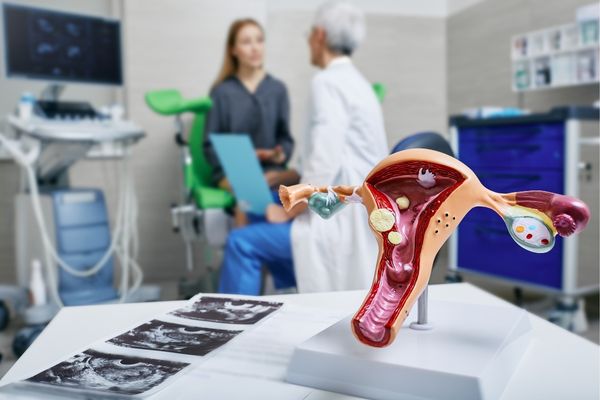
Gynecologic oncology uses different treatment methods according to the cancer type, stage, and the patient’s overall health. This specialty offers comprehensive options through innovative approaches such as targeted therapies and immunotherapy. The treatments used in the gynecologic oncology department are summarized below:
The question “What is gynecologic oncology surgery?” can be answered as follows: it is a treatment method aimed at completely removing the tumor and preventing the spread of cancerous tissue. Procedures such as hysterectomy, oophorectomy, and lymph node dissection may be performed in this process. Surgery is one of the most effective treatment options, especially in early-stage cancers.
Chemotherapy is a drug treatment used to destroy cancer cells or prevent their growth. It is frequently preferred especially in aggressive cancer types such as ovarian cancer. It may also be used before surgery to shrink the tumor or after surgery to eliminate remaining cells. Modern medicine also provides various solutions to reduce the side effects of chemotherapy.
Radiotherapy uses high-energy rays to treat cancer and aims to destroy cancer cells or stop their growth. It may be effective in diseases such as cervical cancer that show local spread. The treatment process is planned according to the patient’s condition.
Gynecologic oncology benefits from targeted therapies especially in advanced-stage cancers or recurrent cases. This method targets specific molecules and aims to inhibit the growth and spread of cancer cells. Compared with conventional chemotherapy, it may have fewer side effects.
Immunotherapy strengthens the immune system and helps the body fight cancer cells more effectively. It is a promising approach particularly in resistant or advanced cancers. This treatment aims to help the immune system recognize and destroy cancer cells.
Some cancers within the field of gynecologic oncology may grow in response to hormones. In such cancers, treatments that suppress hormone production or block receptors may be used. This method is especially important in certain endometrial cancer cases.
Gynecologic oncology is a field that requires expertise in the diagnosis and treatment of cancers occurring in the female reproductive system. Choosing the right healthcare institution directly affects treatment success and the patient’s quality of life. Private Aritmi Osmangazi Hospital in Bursa stands out with its comprehensive services and experienced team in gynecologic oncology.
The hospital’s physicians offer each patient a personalized treatment plan. From diagnosis to treatment, every stage benefits from the possibilities of modern medicine. In addition, the multidisciplinary team integrates surgery, chemotherapy, radiotherapy, and innovative treatment methods in a coordinated manner.
Cookies are used on our website to improve user experience. For detailed information, you can review our Cookie Policy.

