
 en
en  tr
tr ar
arBiochemistry
Biochemistry is a fundamental branch of science that examines the chemical forms of living organisms, the connections between these forms, and the chemical processes that form the basis of life. As a word, it can be expressed as the chemistry of life. Metabolic events occurring at all levels of vitality from the cell to the organism, energy transformations, the transfer of genetic information, and the functions of biomolecules constitute the main field of interest of the science of biochemistry.
Having knowledge about biochemistry supports us in understanding how countless reactions in our body work in harmony. For example, vital activities such as how the food we eat is converted into energy, how our muscles contract, and how neural transmission occurs are explained by biochemical principles. This branch of science also leads the development of new treatment techniques by illuminating the molecular foundations of diseases. For this reason, the answer to the question what is biochemistry is not limited to the chemical definition of vitality, but also points to a dynamic scientific field that plays a critical role in our interpretation of the concepts of health and disease.
Çekirge Aritmi Make an Appointment İnegöl Aritmi Make an Appointment
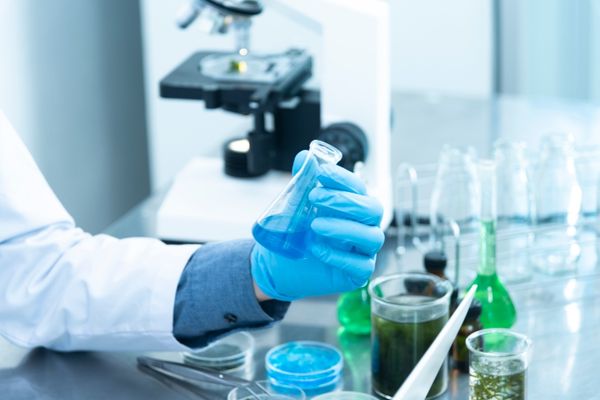
A biochemistry laboratory is a specialized medical laboratory equipped with modern technological devices where qualitative and quantitative analyses of chemical substances and compounds found in different biological samples taken from the human body are performed. These laboratories provide critical data for the diagnosis, differential diagnosis, monitoring of the treatment process, determination of prognosis, and general health examinations of diseases. One of the most concrete answers to the question of what biochemistry does is the analyses conducted and the results obtained in these laboratories.
A biochemistry laboratory primarily performs tests requested by physicians to confirm or rule out clinical suspicions, follow the course of a disease, evaluate the response to treatment, or detect potential health risks early. In these laboratories, hormone levels, enzyme activities, electrolyte balance, blood gases, vitamins, drug levels, and many other parameters are measured with precise techniques. For example, when wondering what a biochemistry blood test is, it refers to a detailed analysis process that provides information about the general health status of the body, organ activities, and various disease symptoms through a blood sample.
The biochemistry department provides detailed information about the metabolic status of the body and organ functions by offering a rich range of test possibilities. These tests play an important role in many steps from early diagnosis of diseases to treatment follow-up. The main biochemistry test groups applied are as follows;
These tests are the reflection of biochemical knowledge into clinical applications, and each provides important clues about the complex functioning of the body.
Biochemistry tests are diagnostic tools widely used in almost every field of medicine and requested by physicians in many different situations. The reasons for requesting these tests are extremely diverse and range from evaluating the patient's general health status to diagnosing a specific disease. In individuals without any complaints, routine biochemistry test panels may be requested to evaluate general health status and detect early symptoms of potential diseases. This includes checking organ activities, blood sugar, and cholesterol levels. Early diagnosis allows for more efficient treatment of many diseases.
When a patient has specific complaints such as fatigue, weight loss, jaundice, fever, frequent urination, or abdominal pain, relevant biochemistry tests are requested to find the reason underlying these symptoms. For example, in a patient with fatigue and paleness, tests like the iron panel, vitamin B12, folate, and TSH can be performed to understand whether there is anemia or thyroid dysfunction. Biochemistry tests are of serious importance in making a definitive diagnosis of a disease or in differentiating between different disorders that may cause similar symptoms. For example, in a patient arriving with chest pain, cardiac enzymes are measured to determine if a heart attack has occurred.
Since biochemistry examines chemical processes in the human body and differences in these processes, it plays an important role in the diagnosis, follow-up, and treatment processes of a very rich scale of diseases. Biochemistry tests support the clarification of many health problems from organ system dysfunctions to metabolic imbalances, infections to cancer. As the knowledge base about biochemistry increases, the understanding of diseases at the molecular level and the development of related tests also accelerate. The main disease groups that biochemistry is interested in are as follows;
One of the widest detailed answers to the question of what biochemistry does is the support it provides for the diagnosis of these diseases, the management of the treatment process, and the improvement of the quality of life of patients. Biochemistry test results play a serious role in experts making the right decisions.
Frequently Asked Questions About Biochemistry Tests
Since biochemistry tests are techniques frequently used in health evaluations, many questions can arise in the minds of patients and their relatives. In this section, we will try to answer some common questions wondered about biochemistry tests and blood tests in general.
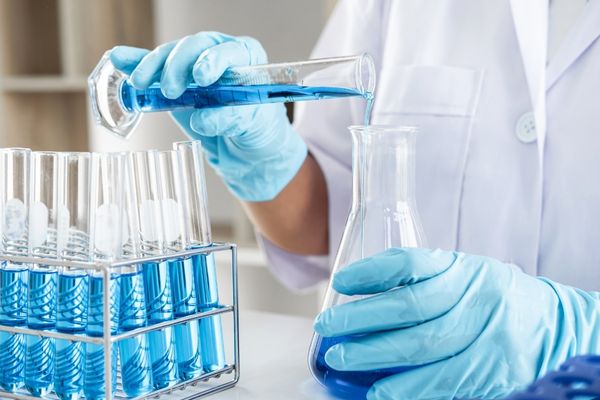
Blood tests are one of the fundamental diagnostic tools that provide detailed and valuable information about the general health status of the body. Since blood is in constant circulation with all organs and tissues, it carries reflections of many physiological or pathological differences occurring in the body. This is the main reason underlying the question of what is a biochemistry blood test. Blood is like a mirror reflecting the internal chemistry of the body. Many diseases can cause differences in blood values before showing symptoms. Regular blood tests allow such diseases to be diagnosed at an early stage. Early diagnosis significantly increases the success of treatment.
Whether one should be on an empty stomach for biochemistry tests varies according to the type of test to be performed. The expression on an empty stomach mostly means that no food or drink other than water is consumed during the 8-12 hour period before the test. Since some foods taken can temporarily affect blood values, biochemistry tests are usually done on an empty stomach.
Instead of diagnosing a single disease directly, biochemistry tests mostly provide strong evidence regarding the presence of a disease. They show dysfunctions in organ activities or support a diagnosis. Diagnosis is mostly made by evaluating biochemistry test results together with the patient's symptoms, medical history, physical examination findings, and other diagnostic tests.
When looking at what a biochemistry test is and what it does, it is observed that these tests are indispensable tools in clarifying a very wide spectrum of diseases, reaching the correct diagnosis, and determining ideal treatment methods. Each test result constitutes an important part of the patient's health status. You can have all your biochemistry tests done completely with Aritmi.
Cookies are used on our website to improve user experience. For detailed information, you can review our Cookie Policy.


