
 en
en  tr
tr ar
arChest Diseases
Chest diseases is the medical specialty that covers the diagnosis, treatment, and follow-up of disorders related to the respiratory system. This field examines various diseases affecting the lungs, bronchi, pleura, diaphragm, upper airways, and related lymph nodes. Conditions such as asthma, COPD, lung cancer, pneumonia, tuberculosis, interstitial lung diseases, and sleep apnea are also evaluated within this specialty. In addition, smoking addiction, occupational lung diseases, and respiratory failure are among the conditions assessed and managed in this field.
Specialists plan advanced diagnostic tests by taking a detailed patient history and evaluating physical examination findings. During the diagnostic process, methods such as chest X-ray, thoracic computed tomography, pulmonary function tests, bronchoscopy, and pleural fluid analysis are used. Treatment protocols are determined according to the type and severity of the disease and the patient’s overall health condition.
Book an Appointment at Aritmi Osmangazi
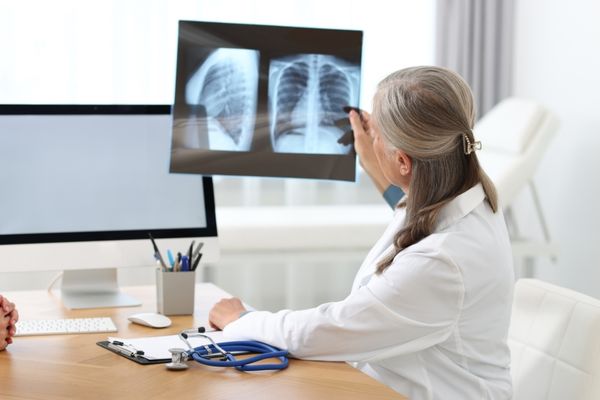
The chest diseases department is the medical unit where respiratory system disorders are diagnosed, treated, and monitored. This department deals with diseases involving the lungs, bronchi, pleura, vessels, and structures within the chest cavity. Diagnosis is made by evaluating patient complaints, physical examination findings, and different tests and imaging techniques.
Early diagnosis is critical for treatment success in respiratory system disorders. Accordingly, the patient’s history is taken, symptoms are reviewed, and a physical examination is performed. Based on the findings, tests such as chest X-ray, pulmonary function testing, blood tests, or computed tomography may be requested. Diagnosis is made according to the results, and treatment begins afterward.
A significant part of the respiratory system consists of vital organs. To manage disorders affecting these organs, a chest diseases specialist collaborates with other medical departments when needed. For example, treatment for first-stage lung cancer may be planned together with thoracic surgery and oncology specialists.
The chest diseases department deals with disorders affecting the lungs, bronchi, pleura, airways, and other structures within the chest. In this context, the specialty is responsible for diagnosis, treatment, and follow-up. A chest diseases specialist evaluates and treats both acute and long-term respiratory disorders.
Lung cancer, COPD, pneumonia, tuberculosis, emphysema, and fibrosis are among the main conditions treated by the department. Diseases affecting the upper and lower airways, such as allergic rhinitis, bronchiectasis, and bronchitis, are also included. In addition, pleural effusion, pneumothorax, and sleep apnea are evaluated by the chest diseases department.
The answer to the question “Which department treats chest diseases?” is pulmonology. This department is responsible for the diagnosis, treatment, and follow-up of diseases related to the respiratory system, especially the lungs.
Symptoms of chest diseases vary depending on the type and severity of the condition. In general, the most common respiratory symptoms include the following:
A cough lasting more than 2 weeks or gradually becoming more severe is considered an important symptom. It may be dry or productive. A cough that worsens at night, wakes the patient from sleep, or is accompanied by sputum may indicate both infections and more serious diseases.
Shortness of breath, also known as dyspnea, appears as difficulty breathing at rest or during daily activities. It is often more noticeable during exertion, but in some cases it may even wake patients from sleep. Sudden onset may require urgent medical attention.
Sputum accompanying cough is often caused by infection. Depending on the extent and severity of the infection, it may appear brown, green, yellow, or bloody. Long-lasting sputum production or bloody sputum requires detailed evaluation.
Chest pain may be felt as stabbing, burning, pressure, or sharp pain in the chest wall. It can become more pronounced while breathing or coughing. Persistent chest pain may point to serious medical conditions.
Wheezing refers to abnormal sounds heard during breathing. It may result from narrowing or abnormal structures in the airways. Allergic reactions, COPD, cancer, asthma, and bronchiolitis are among the important causes.
Due to chest diseases, reduced respiratory capacity may lower oxygen levels reaching the blood. This can cause patients to feel constantly tired and weak. The immune system’s effort to fight disease may also contribute to fatigue.
Lung infections and other chronic disorders may lead to loss of appetite. When this continues for a long time, weight loss may occur. This symptom may be seen in tuberculosis, advanced COPD, and lung cancer.
Cyanosis, defined as bluish discoloration, occurs when oxygen levels in the blood are inadequate. It may appear as bluish color on the fingertips, nails, and lips. Respiratory failure is one of the most important causes.
Hoarseness can also be among the symptoms of chest diseases. It may occur in conditions such as lung cancer and bronchitis. It can become particularly noticeable when a tumor presses on the nerves related to the vocal cords.
To answer the question “What are chest diseases?”, conditions such as lung cancer, COPD, emphysema, pleural effusion, and pneumonia can be listed among them. Details about these diseases are as follows:
COPD, which develops mainly due to smoking and occupational exposure, is the permanent and irreversible narrowing of the airways. It is a chronic disease that progresses gradually over time. It is commonly seen in people who have smoked for many years. Chronic cough, sputum production, and shortness of breath are among its main symptoms.
Pneumonia is an infection of the lung tissue caused by bacteria, viruses, or fungi. In some cases the infection remains limited to certain lobes of the lungs, while in others it may spread more widely.
High fever, chills, shivering, shortness of breath, chest pain, and cough are important symptoms of pneumonia. It can be life-threatening in some age groups. Treatment of patients in the risk group at an appropriate medical institution is important.
Asthma develops due to narrowing of the airways caused by hypersensitivity. It appears in attacks and leads to difficulty breathing. Nighttime cough, chest tightness, and wheezing are among its most common symptoms.
Lung cancer is a disease characterized by abnormal and rapid growth of lung cells that form tumors. When diagnosed early, the success rate of treatment is high. However, diagnosis is often made at an advanced stage because symptoms may be minimal in early stages. Different symptoms may appear depending on the size and location of the tumor.

Also known as TB, this disease is caused by the bacterium Mycobacterium tuberculosis and is contagious. It may lead to symptoms such as long-lasting cough and night sweats. If treatment is not started early, it can result in severe complications.
Bronchitis has two forms: acute and chronic. The acute form appears suddenly and improves in a short time with treatment. The chronic form lasts longer. It may cause throat irritation, persistent cough, and wheezing, and can lead to more serious illnesses if left untreated.
This condition occurs when air leaks into the pleural space surrounding the lungs. As a result, the lung may partially or completely collapse and fail to function properly. This makes breathing difficult.
Emphysema is characterized by damage to the alveoli, the air sacs in the lungs. It is considered one of the conditions that make up COPD. Shortness of breath is its most important symptom.
Pulmonary embolism is a condition that requires urgent intervention and occurs when the blood vessels leading to the lungs are blocked by a blood clot. Chest pain and sudden shortness of breath are among its key symptoms.
Bronchiectasis is associated with permanent widening of the airways and loss of elasticity. The main goal of treatment is usually to control the disease and improve quality of life.
Pleural effusion is an abnormal increase in fluid between the pleural membranes. This increased fluid may be a sign of various diseases and may also impair lung function. It can cause serious symptoms such as chest pain and shortness of breath.
Fibrosis develops when lung tissue becomes filled with scar tissue. It causes the tissues to harden and may lead to symptoms such as dry cough and shortness of breath. If left untreated, it can seriously reduce quality of life and increase the risk of more severe health problems.
Other respiratory conditions include sleep apnea, sarcoidosis, mesothelioma, and chest wall deformities. Many of these diseases have different stages and levels of severity. From diagnosis to treatment, the entire process is planned individually based on the patient’s condition.
The diagnosis of chest diseases begins with listening to the individual’s medical history. In this process, several tests, examinations, and methods may be used. Details are as follows:
The first step in diagnosis is taking the patient’s history. Information such as when the complaints started, what triggered them, and whether they appeared suddenly or gradually is learned from the patient history. These details are critical for diagnosis.
Risk factors are also reviewed during the history-taking process. Smoking and occupational exposure are among the most important factors. These data can shorten the diagnostic process and help explain certain symptoms.
Physical examination is performed after obtaining the patient’s history. The assessment includes the following steps:
Physical examination is important for deciding which tests should be ordered. The choice of tests depends on symptoms, examination findings, and risk factors such as age and smoking.
Chest X-ray is one of the most commonly used methods. It can help diagnose pneumonia, pneumothorax, tumors, pleural effusion, and COPD. However, it may not be sufficient for certain
Cookies are used on our website to improve user experience. For detailed information, you can review our Cookie Policy.


